
Branding Best Practices Learned From the GAP Logo Debacle

By Axle Davids

Branding Best Practices

I took some heat for my last post on how the new GAP logo was better. In that post, I explained how the old square shape makes it smaller than competitors, and how the old serif font is out of tune with their otherwise ubiquitous use of Helvetica.

Soon after my post, the GAP responded to the “gapocalypse”. First, saying they would use the outcry (“engagement” in their speak) to try again by crowdsourcing their logo. And then, when the design community reacted with even greater outrage, deciding that they would just keep with the old logo ad infinitum. End of story.

So what can we learn?

Lessons For Brand Holders Like the GAP

  1. 2009 to 2014 will see more change in the marcom industry than all of the change we’ve experienced since the Mad Men era. You cannot take anything for granted in this sci-fi day and age. Check all your mental models before you plan to ship.
  2. In this case, the GAP assumed the crowd didn’t care. Don’t make the same mistake. This ain’t up there with the 1985 New Coke disaster but it has the same taste.
  3. The GAP assumed they could solve their problem with a crowdsourcing contest in time for the holidays. For gold-plated brands, great crowdsourcing is a campaign unto itself, nothing less. Case in point: I went into my corner store this summer and saw a bag of Dorritos that had no name, and a contest to come up with a name. That kind of thoughtfulness will garner respect from the creative community, rather than the anger the GAP got from designers who see crowdsourcing as a threat to their values.

Lessons for Logo Designers

Since the weekend, I’ve seen hundreds of GAP logo designs that have sprung up in various online contests and forums. What concerns me is how many of the ones clearly done by brilliant artists miss the mark on the importance of shape, the value of simplicity, and the importance of continuity.

  1. Logos should be landscape rectangular to fit the human field of view. Square or round logos will always be smaller, and therefore less viewed than rectangular competitors.
  2. Logos should be the simplest thing that works. For example, if a name says “GAP” you don’t need to actually draw a gap. If a name says “Tide” you don’t need to show the sea.
  3. When the brand is a big part of people’s lives, continuity is king. Change your brand so the audience sees evolution, not revolution.

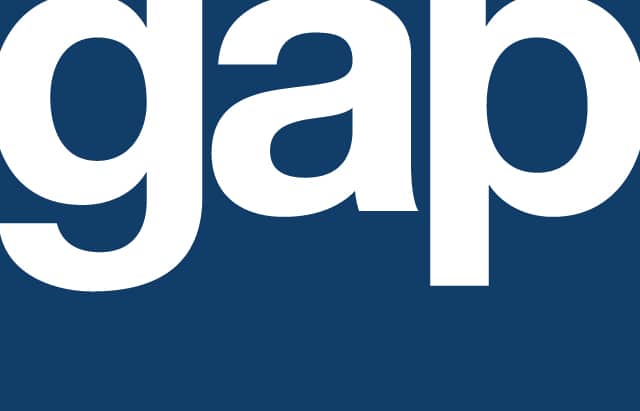
With these lessons in mind, Todd Major and I threw together in a few minutes the wordmark above. It mirrors a safer, saner, best pratice-ier direction that would have stuck.

What best practices do you think the GAP should have followed? Let the Distility social graph know below.

  • http://www.distility.com/ Axle Davids

    Larry,

    I violently agree.

    They’ve generated millions upon millions in free publicity.

    Only thing worse than being talked about is not being talked about – Oscar Wilde

  • Larry DeVincenzi

    GAP’s logo was (and is) iconic to many of its customers. They felt a connection with the brand’s image, and its history. Why did GAP want to change it in the first place hasn’t been fully disclosed. Rolling it out via social media without a more structured release may have been their biggest mistake. If you’re going to change a brand I love, make it an event…something I’ll remember and might more easily embrace.

    Was the old logo antiquated? Did it not convey their brand values? Or was this a contrived PR stunt that merely gained them more loyalty – because in the end, a new logo (or an old one) may not affect sales…or even perception of their product lines.

    Every designer will feel the can do it “better”. Everyone’s a critic. The question I have is – why change what had worked? What was the reason behind going that direction? Was there a disconnect between their customers and their brand image?

    Perhaps the retraction was a huge mistake, or maybe…just maybe… it wasn’t so stupid after all. They’re regained recognition and loyalty…at the most critical time in their sales cycle. Maybe…it was just what the brand needed at this time of year without changing a thing.

  • http://www.distility.com Axle Davids

    Thanks for your comment Erica. I’ve always seen the GAP as being masters of making the mundane seem desirable. The way they make “The New Skinny Jean” or “The New Khakis” is artful in-store marketing but – yeah, I agree – a let down once the big bold windows lead your eyes to the same old-same-old.

    Here in Toronto, they’ve also tightened up their return policy which used to be a big point of difference with parents buying for babies and kids.

  • erica

    The Gap just isn’t as relevant as it used to be (due to the emergence of fast fashion, tons of new denim specialty brands, new competitive specialty chains, etc)and not knowing what to do to fix the problem, and become relevant, tried to “fix” the easiest piece of the brand – the logo – which even if it was done right, would not have increased relevancy.

    I think what the Gap has learned out of all this is:

    1. Maybe it’s time to create a meaningful value proposition and product positioning instead of wasting time on nonsense.

    2. Market research (which I have to believe they conducted on this logo change) is usually misused – especially by people who are desperate for answers they don’t have. Marketers must use their common sense!

    3. People hate change for change sake – duh.

Search

Follow Distility

Subscribe to Our Blog

QR Code Business Card